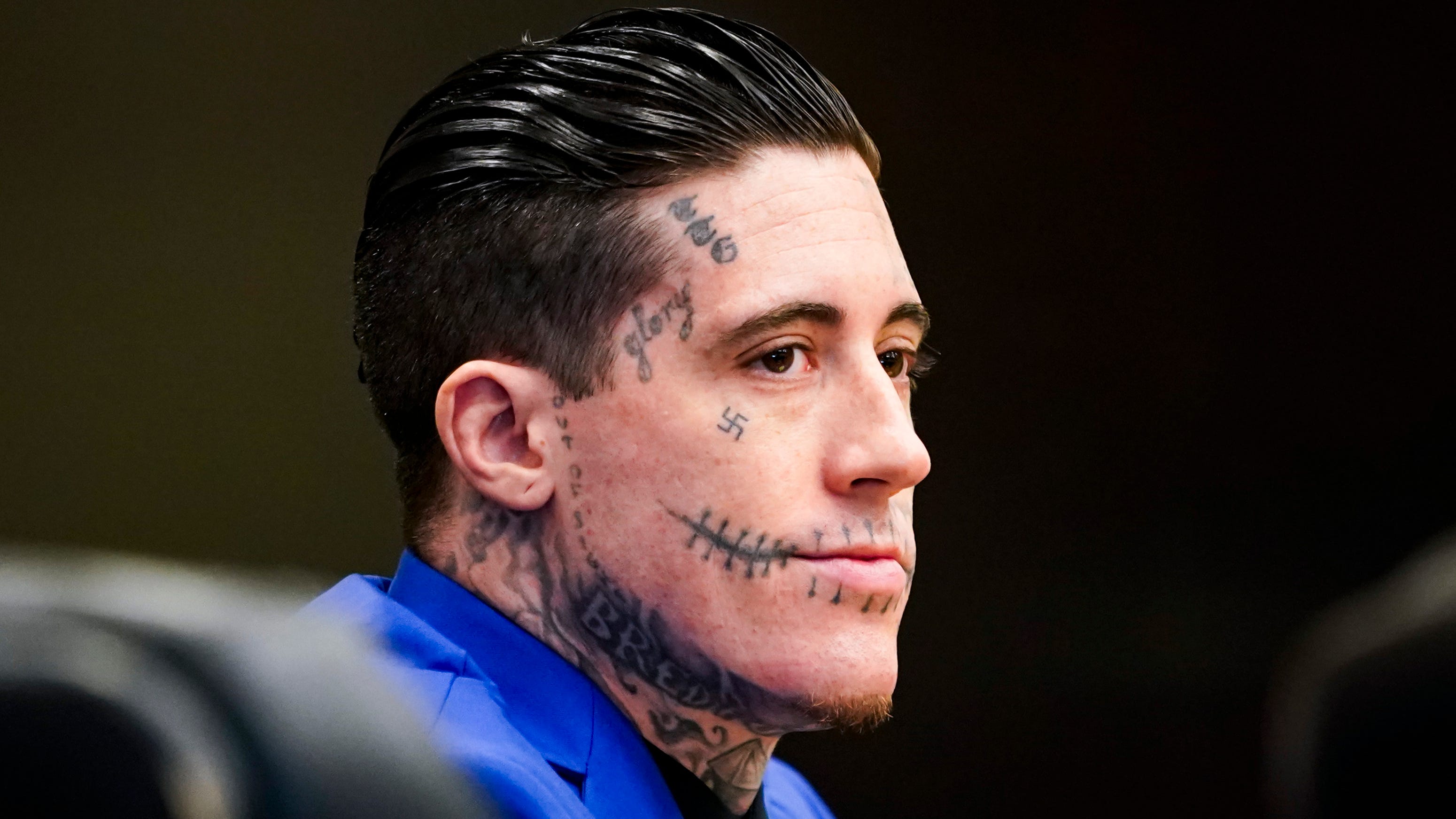
Pretty Privilege/Lookism is a concept many of us have at least a vague understanding of. At its core, conventional attractiveness offers real social advantages, even masking dangerous behavior. We can identify that beauty garners attention, which can often work to an individual’s benefit, albeit with occasional downsides. People who are conventionally attractive navigate the world differently from those deemed less desirable. They can quite literally get away with murder. If you needed an example of just how true this is, see Wade Wilson, also known as the Deadpool Killer, and the plethora of serial killers before and likely to follow him.
In watching the Worst Ex Ever, Netflix and the show’s producers begin the series with the crimes of Wade Wilson, a wise decision given the case’s public profile and Wilson himself. By widely accepted standards, Wade Wilson is seen as an attractive man: fair-skinned, above six feet tall, and with a dual dimpled smile. Wilson appeared to recognize and utilize the benefits of his appearance to connect with women and men alike. This attractiveness often helped him form close relationships and gain the trust of those around him. By the time his victims realized his true character, they had already developed a strong attachment and a resistance to leaving him. This dynamic contributed to subsequent crimes, including those involving Kristine Melton and Diane Ruiz. Both were seemingly disarmed by Wilson’s charisma and appearance, and there exist other victims in similar situations, regardless of gender.
Wade Wilson is not an isolated case. In examining many murderers and serial killers, a recurring theme is the emphasis on their perceived attractiveness. This was said of Jeffrey Dahmer and Ted Bundy. Some, like Paul John Knowles, even acquired monikers such as the Casanova Killer, while the Femme Fatale trope in entertainment has real-life parallels with figures like Vera Renczi, a stunning beauty, accused of murdering numerous men. In each case, the individual’s attractiveness often made them seem trustworthy or less threatening. This raises questions about why beauty is so often equated with innocence and why attractiveness can sometimes overshadow evidence of guilt.
What was particularly notable in Wilson’s story was the attention he continued to receive from some women during his trial and after his conviction. Wilson appeared to welcome this attention. Some admirers sent letters and made phone calls, aware of his crimes yet still interested in forming a romantic connection or advocating for his release. Looking at Wilson and other high-profile cases, such attention from admirers seems to be part of a concerning pattern, especially for male serial killers. Many still attract significant followings, and I am struggling to fathom how murder isn’t an instant turnoff.
It is possible that some admirers do not fully associate the crimes committed with their reality—perhaps due to the belief that, because these individuals are incarcerated, there is no longer a threat. However, it is worth considering whether some would still be willing to encounter these individuals in person. The sustained support for some serial killers, despite their convictions, makes me uncertain.
Compared with other forms of privilege, such as gender or race, the influence of desirability politics might seem subtle. The effects of race and gender on underrepresented groups are often clearer to discern, yet the role of lookism and related issues, like fatphobia and colorism, in shaping societal norms and creating inequalities should not be underestimated. It’s important to critically assess how perceptions of attractiveness can shape interactions and outcomes, sometimes with far-reaching consequences, murder included.